
Becoming certified by the American Board of Internal Medicine (ABIM) is an important milestone for physicians seeking to demonstrate their knowledge, clinical competence, and commitment to high-quality patient care. Before beginning your exam preparation, however, it’s essential to understand the eligibility requirements and determine whether you’re ready to apply for the certification examination.
Many physicians ask questions such as: Who can take the ABIM exam? Do I need to complete residency first? What training requirements must I meet? How does the application process work? Understanding these requirements early can help you avoid unnecessary delays and create a realistic preparation timeline.
This guide explains the general ABIM eligibility requirements, the qualifications typically expected of candidates, common misconceptions, and practical steps to help you prepare for the certification process with confidence.
In This Guide You’ll Learn
- ✔ Who is eligible to take the ABIM Certification Exam
- ✔ Education and training requirements
- ✔ Common eligibility questions
- ✔ Typical application process
- ✔ Mistakes that can delay certification
- ✔ How to prepare after confirming your eligibility
Why Understanding Eligibility Is Important
Preparing for the ABIM Certification Exam requires a significant investment of time and effort. Before creating a study schedule or purchasing review resources, it’s wise to verify that you satisfy the current eligibility requirements.
Knowing where you stand allows you to focus your energy on preparation instead of discovering an eligibility issue shortly before your intended testing date. It also gives you enough time to complete any remaining training requirements or administrative steps that may be necessary.
Confirming your eligibility early creates a smoother path toward board certification and helps you plan your career more effectively.
Who Can Apply for the ABIM Certification Exam?
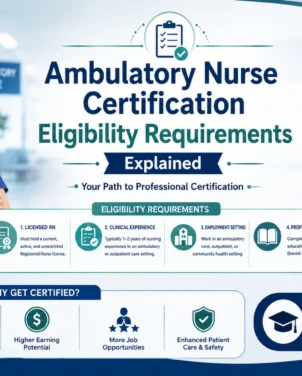
The ABIM Certification Exam is intended for physicians who have completed the required medical education and postgraduate training necessary to practice internal medicine. Candidates are generally expected to have successfully progressed through accredited training programs before becoming eligible for board certification.
Although individual circumstances may differ, candidates commonly include:
- Physicians completing an accredited Internal Medicine residency.
- Recent residency graduates preparing for initial board certification.
- Eligible physicians pursuing certification after completing required training.
- Physicians meeting all current certification policies established by ABIM.
Because certification policies can change over time, candidates should always verify the latest requirements through the official certification authority before submitting an application.
General Eligibility Components
While specific policies are determined by the certifying organization, most applicants should expect eligibility to be based on several core areas.
| Requirement Area | Purpose |
|---|---|
| Medical Degree | Confirms completion of recognized medical education. |
| Residency Training | Demonstrates required postgraduate clinical training. |
| Professional Standing | Supports eligibility for certification. |
| Application Approval | Verifies candidate eligibility before scheduling the exam. |
| Certification Policies | Ensures compliance with current ABIM requirements. |
Reviewing these areas early allows physicians to identify any remaining steps before beginning intensive exam preparation.
Why Residency Training Matters
Residency provides the clinical experience that forms the foundation of internal medicine practice. During training, physicians develop the diagnostic reasoning, patient management skills, and evidence-based decision-making abilities evaluated on the certification examination.
Daily exposure to patients with cardiovascular disease, endocrine disorders, infectious diseases, pulmonary conditions, gastrointestinal illnesses, renal disorders, and many other complex medical problems prepares physicians for the broad scope of knowledge expected during board certification.
The examination is designed to assess the knowledge and judgment developed through this comprehensive clinical training rather than simple memorization of medical facts.
Common Misconceptions About ABIM Eligibility
Misunderstanding the eligibility requirements can delay a physician’s certification plans. Here are several misconceptions that often create confusion.
| Myth | Reality |
|---|---|
| “Every licensed physician can immediately take the ABIM exam.” | Eligibility depends on meeting the certification requirements established by ABIM. |
| “I should start my application without reviewing the requirements.” | Confirming eligibility first helps avoid unnecessary delays. |
| “Passing residency automatically completes the certification process.” | Board certification includes additional eligibility and application requirements. |
| “Eligibility rules never change.” | Certification policies may be updated over time, making it important to review the latest requirements. |
What If You’re Not Eligible Yet?
If you haven’t completed all of the necessary training requirements, don’t be discouraged. Many physicians use this time to strengthen their clinical knowledge, gain additional experience, and organize a future study plan.
You can also begin reviewing core internal medicine concepts, following current clinical guidelines, and identifying areas where you would benefit from additional learning before becoming eligible for certification.
Preparation TipEligibility is only the first step toward certification. Building a strong clinical foundation during residency often makes studying for the ABIM exam more efficient and significantly improves long-term retention.
Real-World Example: Dr. Garcia Planned Ahead
During the final year of residency, Dr. Garcia reviewed the certification requirements well before the application period opened. After confirming that she met the necessary qualifications, she created a structured preparation schedule that balanced clinical responsibilities with regular study sessions.
By planning early, she avoided last-minute administrative issues and had enough time to focus on strengthening weaker clinical topics before the examination.
Preparing After Confirming Your Eligibility
Once you’ve verified that you’re eligible to apply, the next priority is developing a study strategy that fits your schedule and learning style. Rather than trying to review every topic at once, focus on consistent progress, regular self-assessment, and understanding the clinical reasoning behind each concept.
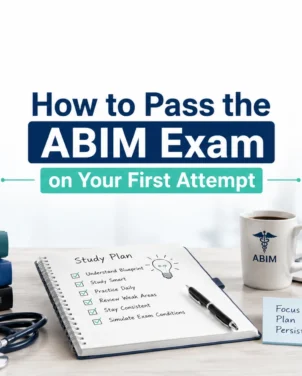
If you’re looking for practical preparation techniques after confirming your eligibility, our guide on passing the ABIM exam on your first attempt explains proven study strategies, effective review methods, and practical tips to help you prepare with confidence.
Documents You’ll Typically Need Before Applying
After confirming that you’re eligible, organizing your documentation can make the application process much smoother. Having accurate information readily available helps reduce delays and allows you to complete your application with confidence.
Depending on the current certification policies, applicants may be asked to verify their education, residency training, professional standing, and other information during the application process.
| Document | Purpose |
|---|---|
| Medical school information | Confirms completion of medical education |
| Residency training records | Verifies required postgraduate training |
| Professional identification | Supports application verification |
| Training program details | Confirms eligibility requirements |
| Application information | Helps ensure accurate submission |
Reviewing these materials before opening your application can help prevent unnecessary interruptions and ensure that all required information is readily available.
How the Application Process Generally Works
Although application procedures may change over time, the certification process typically follows a series of straightforward steps.
- Review the current eligibility requirements.
- Confirm completion of the required education and residency training.
- Submit your certification application.
- Receive approval to schedule the examination.
- Create a structured study plan.
- Prepare using evidence-based review resources and practice questions.
- Schedule and complete the certification examination.
Following each step carefully helps reduce administrative issues and allows you to focus on exam preparation rather than paperwork.
Common Reasons Applications May Be Delayed
Many application delays are preventable. Taking time to review the requirements carefully before submitting your application can save considerable time and frustration.
Common issues include:
- Submitting incomplete information.
- Waiting until application deadlines are near.
- Overlooking updated certification policies.
- Providing inaccurate training information.
- Failing to review application instructions carefully.
Being proactive throughout the application process helps minimize unexpected delays.
Helpful AdviceStart gathering your application information well before registration opens. Completing administrative tasks early gives you more time to concentrate on preparing for the examination itself.
How to Strengthen Your Readiness Before the Exam
Meeting the eligibility requirements doesn’t necessarily mean you’re fully prepared for the examination. Successful candidates usually spend additional time reviewing core internal medicine topics, strengthening clinical reasoning skills, and identifying knowledge gaps before scheduling their exam.
Consider incorporating the following into your preparation:
- Review high-yield internal medicine topics.
- Study current clinical guidelines.
- Practice interpreting patient scenarios.
- Review laboratory and diagnostic findings.
- Strengthen evidence-based decision-making.
- Monitor your progress with self-assessments.
Developing these habits early often leads to more efficient and confident exam preparation.
Why Clinical Experience Matters So Much
The ABIM Certification Exam evaluates knowledge that physicians develop through patient care, residency training, and clinical decision-making. Candidates who actively engage in patient management throughout residency often find it easier to apply theoretical concepts during the examination.
Every patient encounter reinforces diagnostic reasoning, treatment planning, communication skills, and evidence-based practice—all of which contribute to success on board certification examinations.
Real-World Example: Dr. Chen Stayed Organized
Dr. Chen began reviewing the certification process several months before becoming eligible to apply. Instead of waiting until registration opened, he organized his residency documentation, reviewed the current policies, and created a realistic study calendar.
By separating the administrative process from exam preparation, he was able to focus entirely on reviewing clinical material once his application was approved. This organized approach reduced unnecessary stress and helped him maintain a consistent study routine.
Helpful Resources for Future Healthcare Certifications
Board certification is only one step in a physician’s lifelong learning journey. Many healthcare professionals continue pursuing additional certifications as their careers evolve, whether they specialize in internal medicine, nursing, emergency medicine, or other clinical disciplines.
If you’re interested in exploring preparation resources for other medical and healthcare certifications, you can browse our complete healthcare practice test library, which features a growing collection of certification preparation resources across multiple healthcare specialties.
What to Do After Your Application Is Approved
Once your application has been approved, your attention should shift from administrative tasks to focused exam preparation. Developing a structured study routine early allows you to review every major content area while leaving enough time to revisit weaker subjects before exam day.
Rather than trying to master every topic at once, divide your preparation into manageable weekly goals. This approach promotes steady progress, improves long-term retention, and reduces the stress that often comes with last-minute studying.
| Preparation Phase | Primary Focus |
|---|---|
| Week 1 | Review the exam blueprint and identify strengths and weaknesses. |
| Weeks 2–4 | Study the major internal medicine specialties. |
| Weeks 5–6 | Strengthen weaker topics and review clinical guidelines. |
| Weeks 7–8 | Complete timed practice sessions and comprehensive review. |
Signs You’re Ready to Schedule the Examination
Every physician progresses at a different pace, but several indicators suggest you’re approaching exam readiness.
- You consistently understand the reasoning behind correct answers.
- Your scores on practice questions continue to improve.
- You’re comfortable interpreting clinical scenarios.
- You can manage your study schedule without feeling overwhelmed.
- Your weaker subjects require less review than they did at the beginning of your preparation.
These signs often indicate that your preparation is becoming more comprehensive and balanced.
RememberEligibility allows you to take the examination, but consistent preparation, clinical reasoning, and regular self-assessment are what ultimately contribute to success on exam day.
Practice Questions Can Help Measure Your Readiness
As your examination approaches, answering realistic board-style questions becomes one of the most effective ways to evaluate your progress. Practice sessions help reinforce medical knowledge, improve diagnostic reasoning, and identify subjects that require additional review before test day.
If you’re ready to assess your preparation, working through realistic ABIM certification practice questions can help you build confidence while becoming more familiar with the style and complexity of questions commonly seen on the certification examination.
Start Preparing with Confidence
Once you’ve confirmed your eligibility, the next step is creating a study plan and regularly evaluating your progress through high-quality practice questions.
Combining structured review with realistic exam-style practice can help strengthen your clinical reasoning and improve your readiness before exam day.
Continue Planning Your Certification Journey
Meeting the eligibility requirements is an important milestone, but understanding the long-term value of board certification can also help you make informed career decisions.
If you’re still evaluating whether certification aligns with your professional goals, our article on the long-term career advantages of ABIM certification explores how board certification can support professional growth, career opportunities, and ongoing development as an internal medicine physician.
Final Thoughts
Understanding the ABIM eligibility requirements is the first step toward earning one of the most respected credentials in internal medicine. By confirming that you meet the current qualifications, organizing your application early, and developing a thoughtful study strategy, you can approach the certification process with greater confidence.
Remember that eligibility alone doesn’t guarantee success. Consistent preparation, practical application of clinical knowledge, and regular self-assessment are what ultimately prepare physicians to perform well on the examination.
Whether you’re nearing the end of residency or planning your certification after completing your training, taking the time to understand the requirements today can help create a smoother and more successful certification journey tomorrow.
FAQs
When should I review the ABIM eligibility requirements?
It’s best to review the eligibility requirements well before you plan to apply. This gives you enough time to verify your qualifications, gather documentation, and address any issues before registration.
Does meeting the eligibility requirements mean I’m ready for the exam?
Not necessarily. Eligibility allows you to apply, but successful candidates also spend time reviewing core internal medicine topics, strengthening clinical reasoning, and practicing with board-style questions.
Can I begin studying before I’m eligible?
Yes. Many physicians begin reviewing high-yield topics and reinforcing their clinical knowledge during residency, making future exam preparation more manageable.
What’s the biggest mistake candidates make during the application process?
Waiting until the last minute to review requirements or organize application materials can lead to unnecessary stress and avoidable delays.
Why is understanding eligibility important?
Knowing the current requirements helps you prepare effectively, avoid administrative issues, and focus your time on studying once you’re qualified to take the examination.