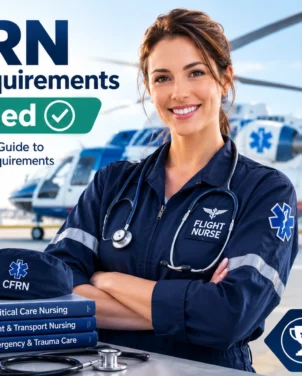
Preparing for a nursing certification exam can feel overwhelming, especially when balancing patient care, work schedules, continuing education, and personal responsibilities. Whether you’re pursuing your first nursing credential or adding another specialty certification, having a structured study plan can make the preparation process more manageable and productive.
What You’ll Learn in This Guide:
- How to build an effective nursing certification study plan
- The best ways to use practice tests
- How to stay motivated while studying
- Common preparation mistakes to avoid
- Time management strategies for busy nurses
- Ways to improve confidence before exam day
Understand Your Nursing Certification Exam
Before opening your first textbook or completing your first practice exam, take time to understand the certification you are pursuing. Every nursing certification measures specific knowledge, clinical judgment, and professional competencies related to a specialty area.
Reviewing the official exam outline helps you identify:
- Major content domains
- Question formats
- Topic weighting
- Professional competencies being assessed
- Skills requiring additional review
Knowing exactly what the exam measures allows you to study more efficiently and avoid spending unnecessary time on topics that receive little emphasis.
Create a Realistic Study Schedule
One of the biggest mistakes candidates make is waiting until the final few weeks before the exam to begin studying. A consistent schedule is usually much more effective than occasional marathon study sessions.
A practical study plan should include:
- Weekly learning objectives
- Daily review sessions
- Practice question blocks
- Content review by exam domain
- Regular progress assessments
Even short, focused study sessions completed several times each week can produce significant improvement over time.
Study Tip:Consistency usually beats intensity. Studying regularly over several weeks helps improve long-term retention while reducing exam-related stress.
Use Practice Questions Throughout Your Preparation
Practice questions are one of the most valuable resources available for nursing certification candidates. They allow you to apply knowledge, identify weaker areas, and become familiar with the style of questions commonly used on professional certification exams.
Working through realistic practice exams helps candidates:
- Improve clinical reasoning
- Recognize question patterns
- Strengthen decision-making skills
- Improve pacing
- Reduce exam anxiety
Rather than waiting until the end of your preparation, begin using practice questions early and continue incorporating them throughout your study schedule.
Study for Understanding Instead of Memorization
Most nursing certification exams evaluate more than factual recall. Questions often require candidates to analyze clinical situations, prioritize patient care, apply evidence-based practice, and make professional decisions.
Focus your preparation on developing:
- Clinical reasoning
- Critical thinking
- Patient-centered decision-making
- Evidence-based practice
- Professional judgment
Building a deeper understanding of nursing concepts helps candidates answer both straightforward and complex scenario-based questions with greater confidence.
Identify Weak Areas Early
Every candidate has topics that require additional review. Instead of repeatedly studying familiar material, use your practice results to identify knowledge gaps and dedicate extra time to strengthening those areas.
Effective review strategies include:
- Tracking missed questions
- Reviewing explanations carefully
- Creating focused review sessions
- Monitoring improvement over time
- Revisiting difficult concepts regularly
Targeted review often produces greater improvement than simply increasing the number of study hours.
| Less Effective Habit | Better Study Strategy |
|---|---|
| Studying without a schedule | Following a structured study plan |
| Reading notes repeatedly | Using realistic practice questions |
| Ignoring weaker topics | Targeted review sessions |
| Memorizing facts only | Applying clinical reasoning |
Practice Under Realistic Exam Conditions
Many nursing professionals spend hours reviewing textbooks but never experience the pressure of answering questions within a limited amount of time. Practicing under realistic exam conditions helps bridge the gap between learning the material and performing well on the actual certification exam.
Timed practice sessions help candidates:
- Improve pacing throughout the exam
- Strengthen concentration
- Reduce test anxiety
- Develop better decision-making skills
- Increase confidence before exam day
Completing full-length practice exams also helps candidates understand how to manage mental fatigue during longer testing sessions.
Preparation Tip:Practice as closely as possible to actual exam conditions by limiting distractions, timing each session, and completing question blocks without interruptions.
Review Every Incorrect Answer
Simply checking whether an answer is correct is not enough. Candidates often improve much faster when they understand why an answer was correct and why the other options were less appropriate.
Reviewing incorrect answers helps you:
- Strengthen clinical reasoning
- Identify recurring knowledge gaps
- Recognize common question patterns
- Avoid repeating the same mistakes
- Improve long-term retention
Over time, this habit builds a stronger understanding of nursing concepts rather than simple memorization.
Use High-Quality Practice Tests
Not every practice question reflects the quality or style of a professional certification exam. Choosing realistic, well-written practice tests helps you prepare more effectively and gives you a better understanding of the types of questions you may encounter.
High-quality practice exams often help candidates:
- Evaluate current knowledge
- Measure exam readiness
- Improve confidence
- Strengthen decision-making
- Track progress throughout preparation
Look for practice resources that include detailed answer explanations so you can continue learning after each question.
Strengthen Clinical Decision-Making Skills
Many nursing certification exams include scenario-based questions that require candidates to prioritize care, evaluate patient situations, and apply evidence-based practice. These questions measure professional judgment as much as factual knowledge.
You can improve clinical decision-making by:
- Analyzing patient scenarios
- Reviewing evidence-based guidelines
- Practicing prioritization questions
- Evaluating different care options
- Understanding the rationale behind each decision
Developing these skills often improves both certification performance and day-to-day nursing practice.
| Common Challenge | Recommended Solution |
|---|---|
| Poor pacing | Complete timed practice exams |
| Knowledge gaps | Review missed questions carefully |
| Exam anxiety | Practice consistently under realistic conditions |
| Weak clinical reasoning | Study scenario-based questions |
Take Care of Your Health While Studying
Long study hours without adequate rest can reduce concentration and make learning less effective. Maintaining healthy habits during preparation supports better focus and memory.
Healthy study habits include:
- Getting adequate sleep
- Taking regular breaks
- Staying hydrated
- Maintaining a balanced diet
- Including light physical activity when possible
Looking after your physical and mental well-being can help you stay productive throughout your certification preparation.
Professional Reminder:Certification preparation is a marathon rather than a sprint. Consistent progress over time usually leads to stronger results than trying to learn everything in a few days.
Measure Your Progress Regularly
Tracking your progress helps you understand whether your current study methods are working. It also allows you to adjust your preparation before exam day if certain topics require additional attention.
Monitor your preparation by recording:
- Practice test scores
- Performance by content area
- Frequently missed topics
- Time spent per question
- Weekly study goals achieved
Regular self-assessment helps ensure that your preparation remains focused, balanced, and aligned with your certification goals.
Stay Consistent Throughout Your Preparation
One of the biggest differences between successful candidates and those who struggle is consistency. Studying a little each week is usually far more effective than waiting until the final days before the exam.
Consistent preparation helps candidates:
- Strengthen long-term knowledge retention
- Reduce exam anxiety
- Build confidence gradually
- Improve clinical reasoning
- Develop better test-taking habits
Even short study sessions completed regularly can produce significant improvement over several weeks.
Study Reminder:Consistency is usually more valuable than intensity. Small improvements made every week often lead to better certification results than last-minute cramming.
Build Confidence Before Exam Day
Confidence comes from preparation. Candidates who complete realistic practice questions, review their mistakes, and monitor their progress often feel much more comfortable approaching the actual certification exam.
Confidence improves when you:
- Practice under timed conditions
- Strengthen weaker content areas
- Review difficult concepts regularly
- Track improvements over time
- Maintain a consistent study schedule
The goal is not perfection but becoming comfortable with the style and expectations of professional nursing certification exams.
Develop Strong Test-Taking Skills
Good preparation should also include improving the way you approach questions during the exam. Strong test-taking strategies help candidates avoid unnecessary mistakes and make better decisions under pressure.
Effective strategies include:
- Reading every question carefully
- Looking for key clinical details
- Eliminating unlikely answer choices
- Managing time consistently
- Avoiding unnecessary second-guessing
Practicing these habits before exam day often leads to better performance during the actual certification exam.
Explore Nursing Certification Practice Tests
Every nursing certification has its own content outline, competencies, and question style. Using practice tests that closely match your specific certification helps you prepare more efficiently and build confidence before exam day.
| Nursing Certification | Practice Test |
|---|---|
| Neonatal CCRN | Neonatal CCRN Practice Test |
| Pediatric CCRN | Pediatric CCRN Practice Test |
| CSC (Cardiac Surgery Certification) | CSC Practice Test |
| CHPN | CHPN Practice Test |
| SCRN | SCRN Practice Test |
| Nurse Entrance Exam | Nurse Entrance Exam Practice Test |
Looking for additional certifications? Browse our complete collection of Nursing Certification Practice Tests to find exam-specific preparation resources for a wide range of nursing specialties.
Career Insight:Preparing for a nursing certification exam not only improves your chances of passing but also strengthens the clinical knowledge, critical thinking, and professional confidence you use throughout your nursing career.
Final Thoughts
Successfully preparing for a nursing certification exam requires a combination of structured planning, consistent study habits, realistic practice questions, and regular self-assessment. Candidates who study with purpose instead of simply memorizing information are often better prepared for both the certification exam and real-world nursing practice.
Focus on understanding clinical concepts, improving decision-making skills, strengthening weak areas, and practicing under realistic exam conditions. With steady preparation and the right study resources, you can approach your nursing certification exam with greater confidence and a stronger chance of success.